From Energy to Sequencing: Key Takeaways from the Kosovo Startup Ecosystem Forum.
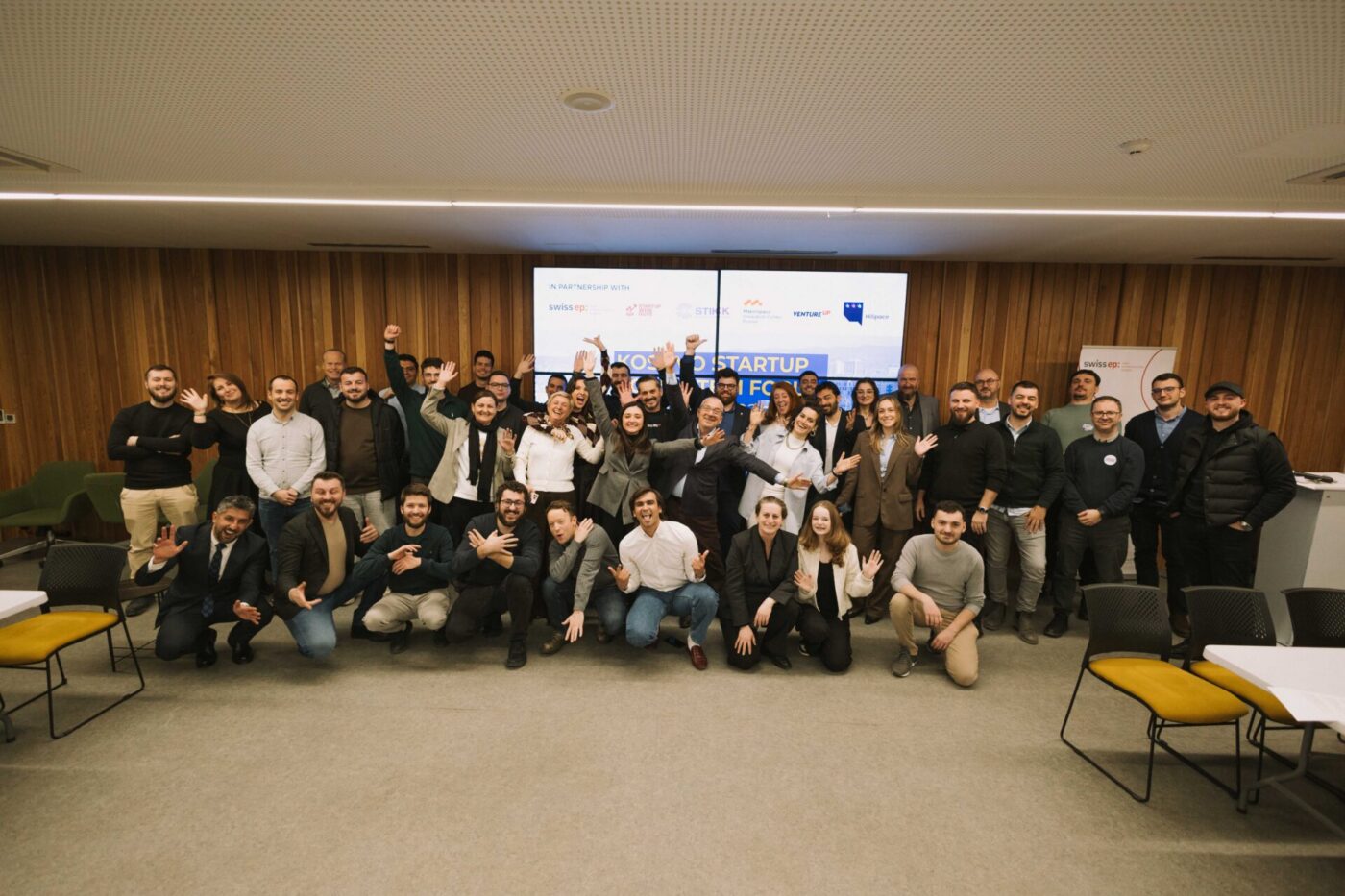
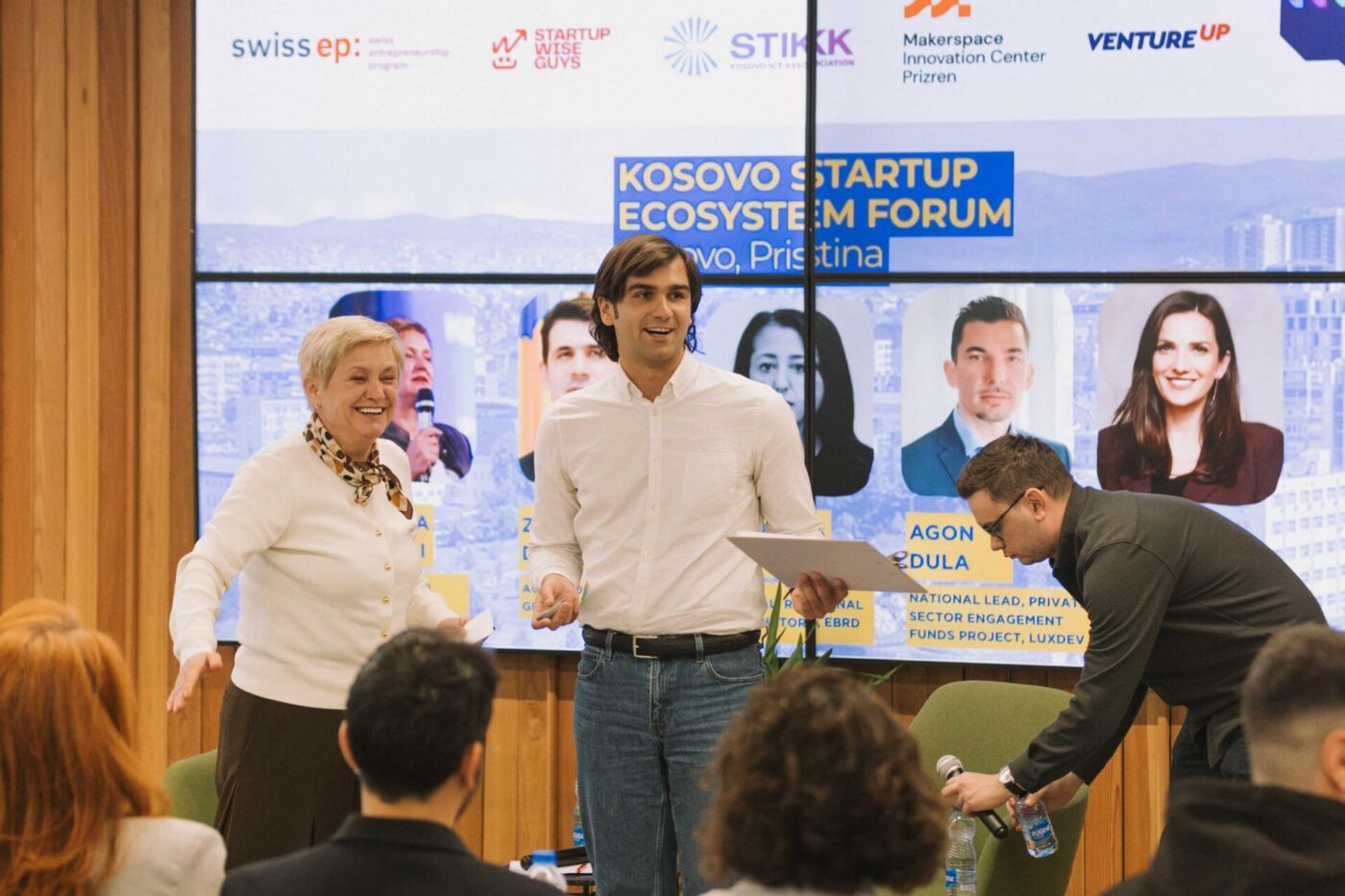
The Kosovo Startup Ecosystem Forum brought together founders, ecosystem operators, institutions, and international partners in Pristina for two days of focused discussion on what it really takes to build a sustainable startup ecosystem.
Led by Swiss Entrepreneurship Program (SwissEP), co-created with Startup Wise Guys, alongside strong local partners such as STIKK, and speakers from important institutions such as EBRD and LuxDev, the Forum was designed around a simple but often overlooked question: What should come first when building an emerging startup ecosystem?
Day 1: Startup ambition is high: readiness is uneven
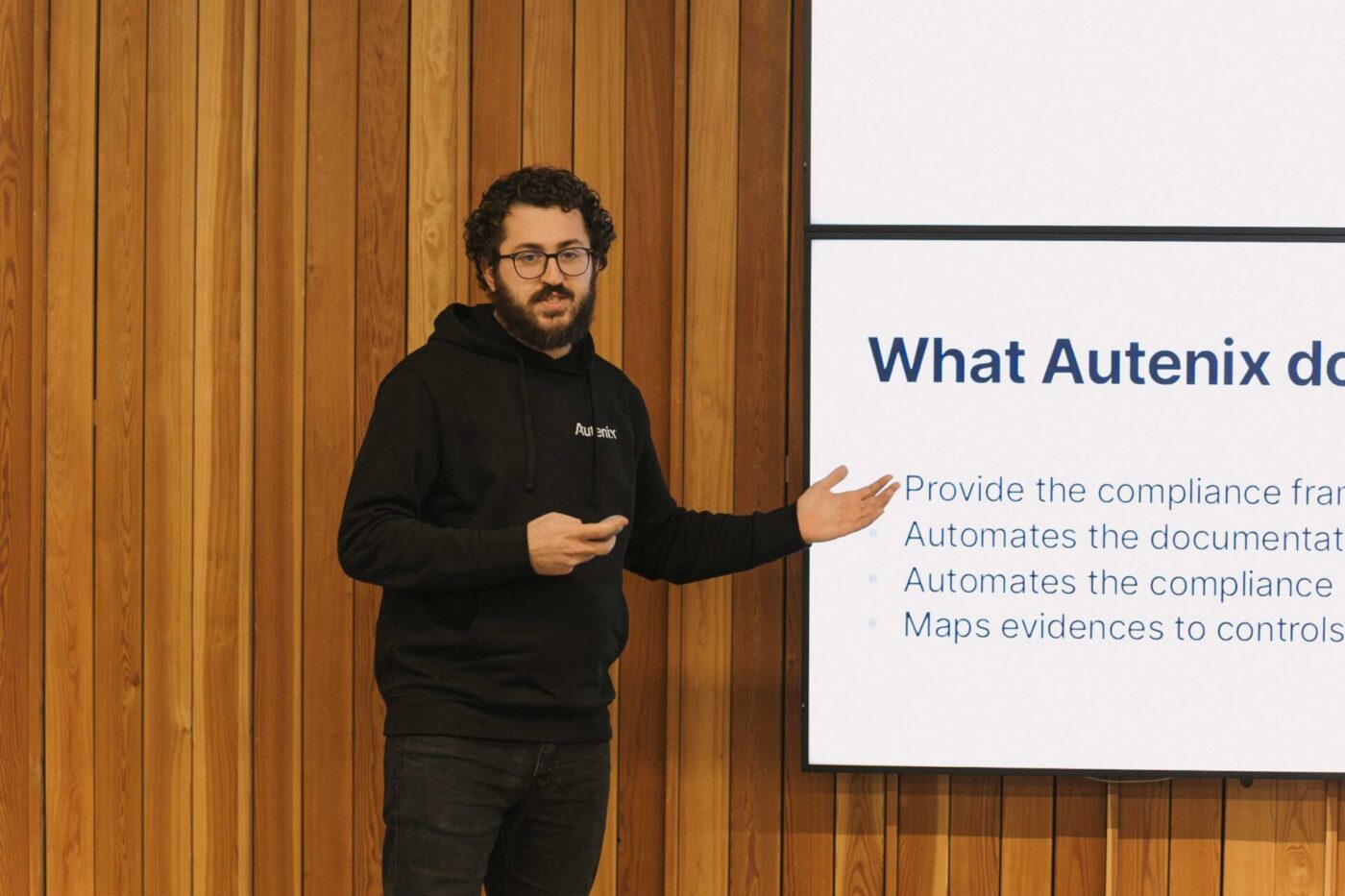
The first day focused on early-stage startups, combining hands-on workshops, mentoring sessions, and startup pitches. Topics ranged from fundraising and valuation to global expansion strategies. What stood out immediately was ambition. Many founders were already thinking internationally, despite operating in a small domestic market. Questions around investor access, global scaling, and capital availability surfaced early and often.
These conversations also touched a deeper, structural issue. In countries like Kosovo, brain drain remains a real challenge, and entrepreneurship is increasingly seen as part of the solution, not just to create companies, but to create the next generation of jobs that can retain talent locally.
At the same time, recurring patterns emerged: unclear team structures, early-stage business models, and limited exposure to investor expectations. These are not weaknesses, they are typical signals of ecosystems where talent and ambition move faster than structure, capital, and enabling frameworks. The absence of local venture capital funds, dedicated investment legislation, and a mature investment infrastructure was frequently mentioned, highlighting that startup support and investment infrastructure need to evolve in parallel.
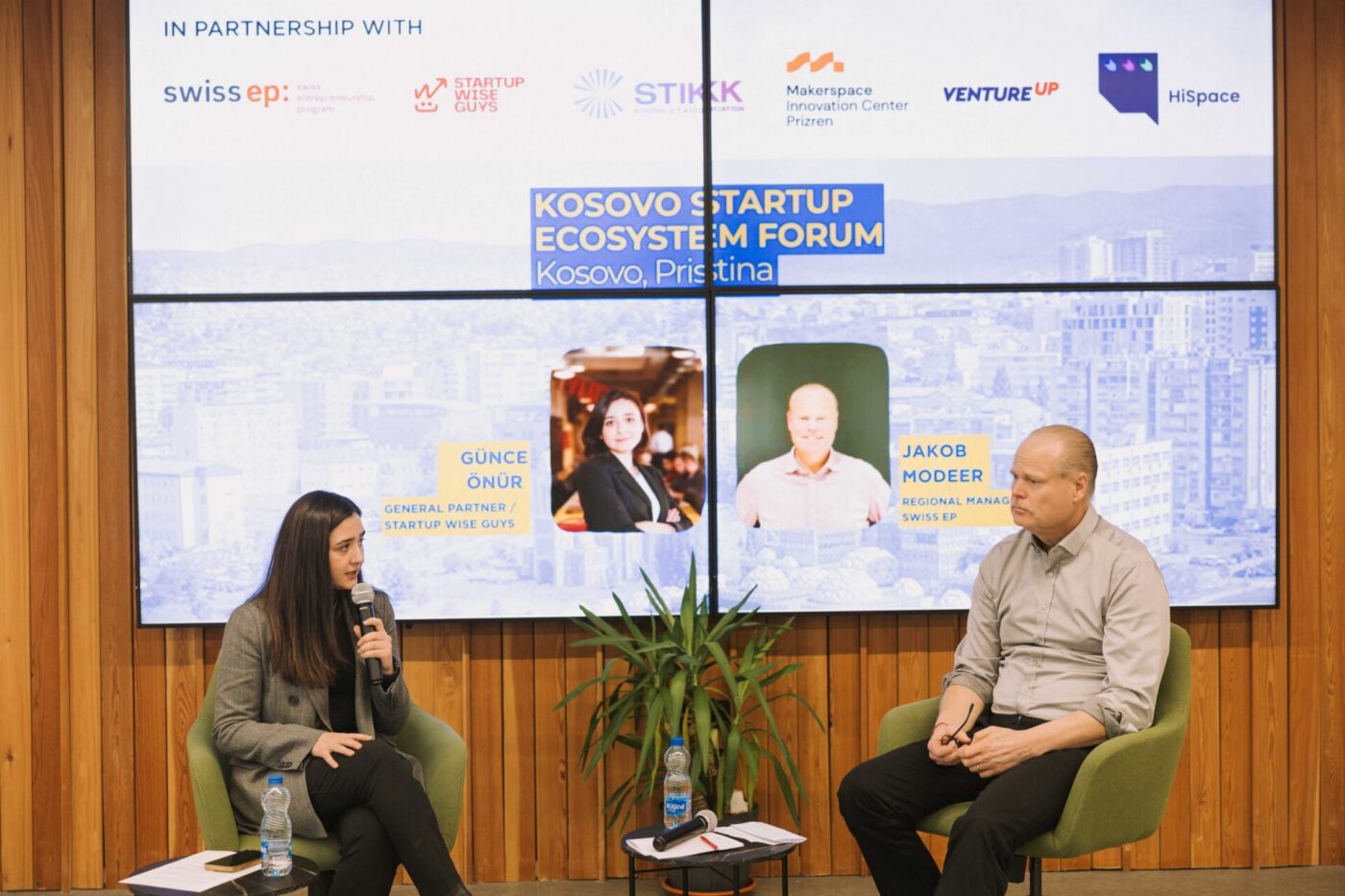
As Günce Önür, Partner at Startup Wise Guys and lead organizer of the Forum, put it:
“What we observed was not a lack of ideas or motivation. The real opportunity lies in working on founder readiness before pushing teams too early into acceleration or fundraising.”
The takeaway from Day 1 was clear: preparation and filtering matter as much as access to capital especially if entrepreneurship is to play a meaningful role in addressing talent retention over the long term.
Day 2: When the ecosystem reflects on itself
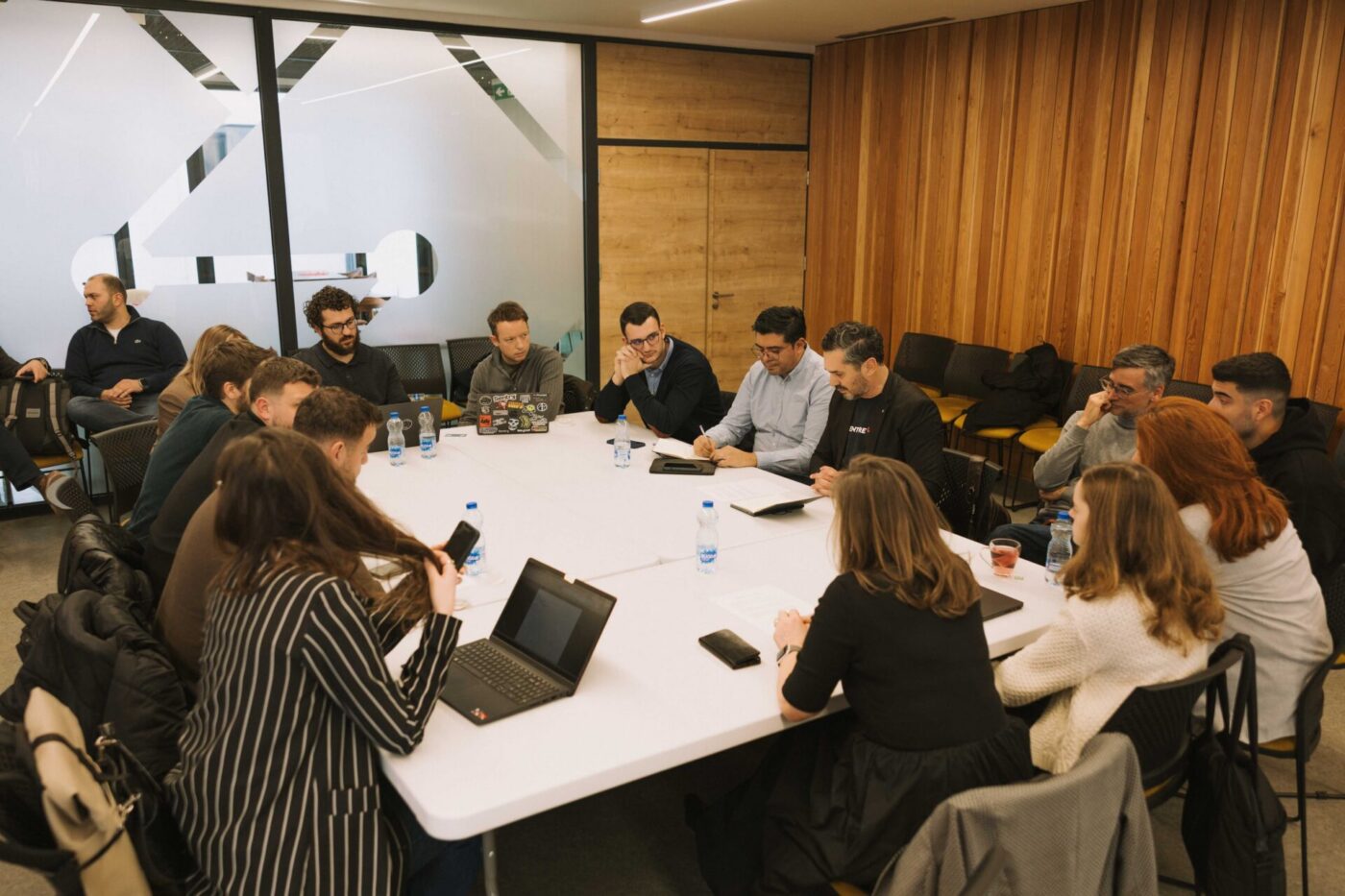
Day 2 shifted the conversation from individual startups to the ecosystem as a whole. Through ecosystem visits, mapping sessions, and moderated roundtables, local and international actors explored how the system currently functions — and where it struggles.
Rather than focusing on single initiatives, discussions centered on:
access to early-stage capital
coordination between support organizations
talent retention and skills development
the role of institutions and corporates
Importantly, the tone was pragmatic. Participants spoke openly about fragmentation, overlapping programs, and the risks of introducing advanced support instruments too early.
From the local ecosystem perspective, Vjollca Cavolli, Executive Director of STIKK, summarized the value of the day:
“This was not about showcasing success stories. It was about creating a shared understanding of where the ecosystem actually stands and what needs to be strengthened first.”
Ecosystem development: sequencing over templates
One of the strongest messages emerging from the Forum was that ecosystem building is not about copying models, but about sequencing the right interventions at the right time. This was reinforced by insights from other emerging ecosystems shared during the experience exchange sessions, where a familiar pattern surfaced: founder quality is rarely the issue. As seen in ecosystems like Poland or Romania, talent is everywhere opportunity is not. This is why international accelerator programs work very well in emerging markets: because they give the opportunity to startups to step up on the global scene and shows theirself to the world.
“Across ecosystems, we repeatedly see the same issue: introducing the right tools at the wrong time. Readiness comes before acceleration, and local ownership needs to come before scale.”
This perspective resonated strongly with local stakeholders, particularly when discussing the proliferation of incubation and support programs. The consensus was clear: quantity alone does not guarantee impact. What makes the difference is depth, quality, and continuity creating real opportunities that allow existing talent to translate into sustainable companies.
Ecosystem development: sequencing over templates
What made the Kosovo Startup Ecosystem Forum particularly valuable was not just participation, but engagement. The founders stayed. Ecosystem actors exchanged views openly. Conversations continued beyond the formal sessions.
The combination of international experience and strong local leadership created the conditions for honest reflection. Swiss EP’s long-term ecosystem approach, Startup Wise Guys’ venture-building expertise, and the active involvement of local actors such as STIKK, VentureUP, HiSpace, and Makerspace Innovation Center Prizren played a key role in this process.
The challenge ahead is not generating momentum, it already exists. The challenge is maintaining it through structured follow-up, coordination, and realistic sequencing.
From alignment to action
The Kosovo Startup Ecosystem Forum was not designed to produce immediate solutions. It was a diagnostic and alignment moment , an opportunity to pause, reflect, and recalibrate.
For Startup Wise Guys, this approach is central to ecosystem development. Sustainable startup ecosystems are built step by step: starting with founder readiness, supported by coordinated local actors, and enabled, not replaced, by international partners.
Kosovo’s ecosystem shows strong potential. The conversations in Prishtina made one thing clear: long-term impact will depend less on how many initiatives are launched, and more on how deliberately they are sequenced.