Three months can be a short time for a startup, but enough to change quite a lot.
A customer conversation can challenge a go-to-market strategy. A founder can decide to go full time. A company planning international expansion can realise that another market makes more sense. Another can discover that its main bottleneck is no longer sales, but the ability to serve the customers already knocking at the door.
This is where we are now with the Western Balkans Accelerator Program.
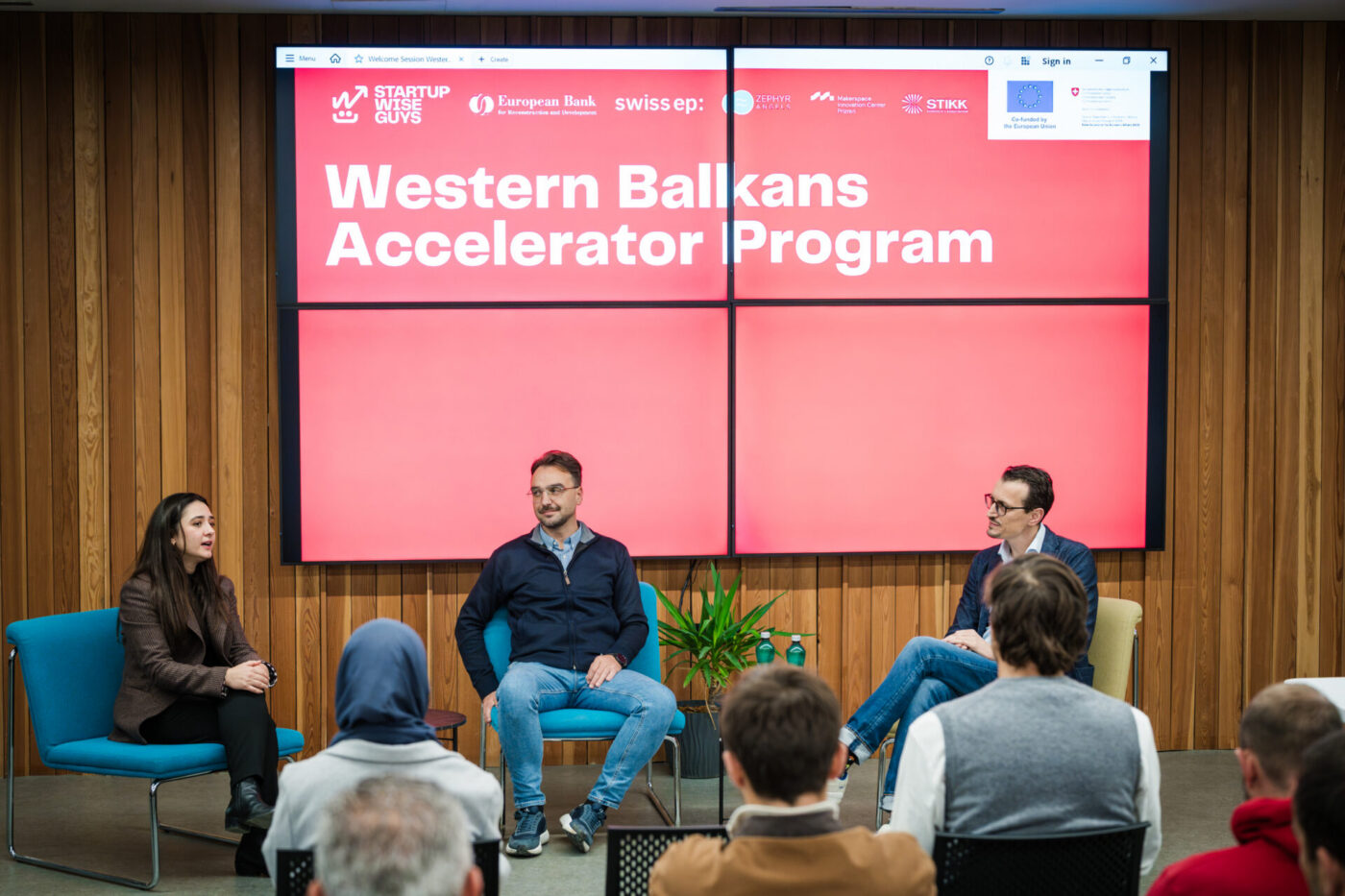
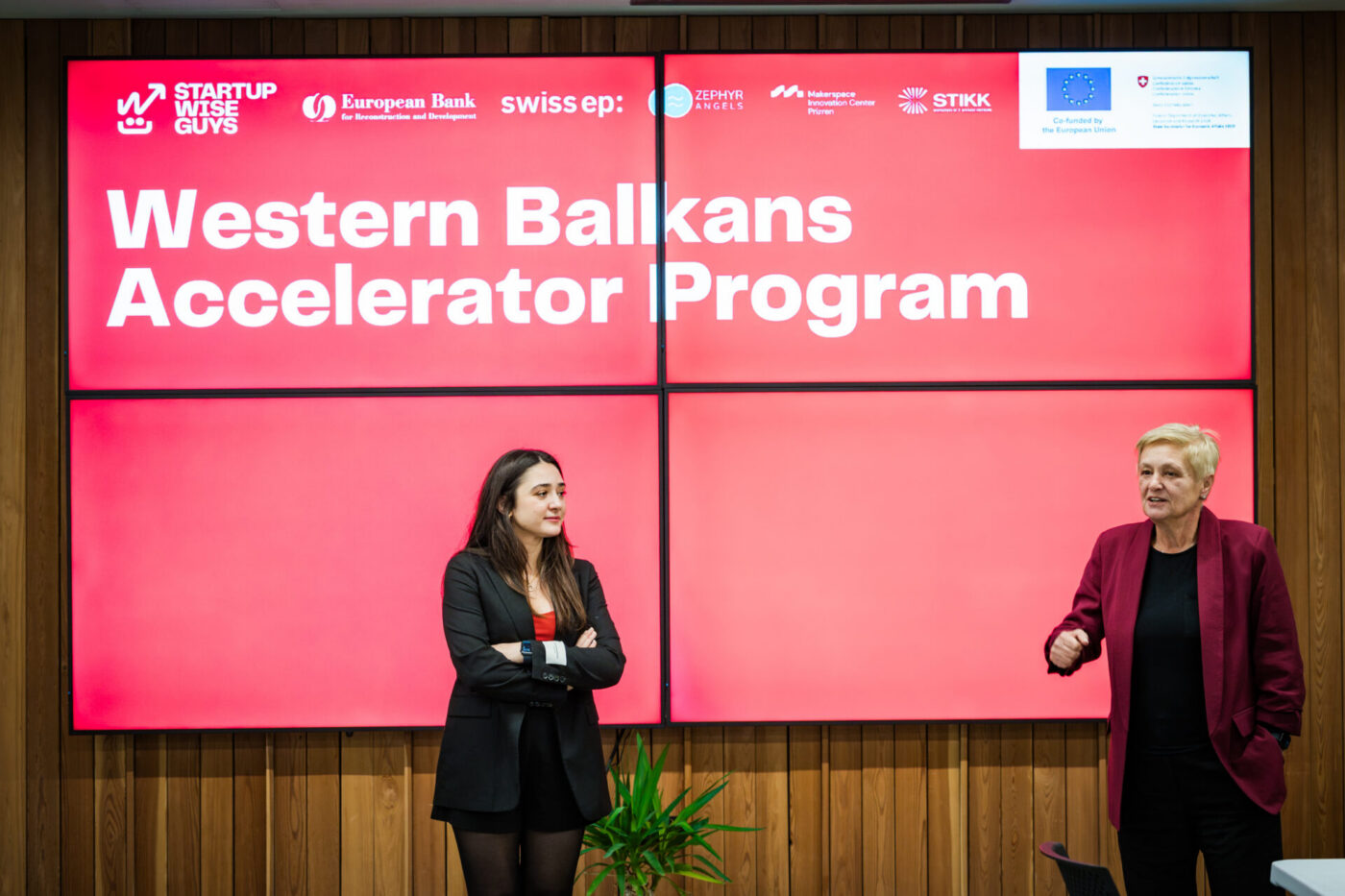
On 2–3 November, the cohort came together in Prishtina for the second onsite bootcamp and the midpoint of the programme. After almost two months of workshops, mentoring and individual work, it was time to reopen the objectives set at the beginning and look at what had actually changed.
The answer is encouraging: the companies are moving, although rarely in a straight line.
Back to Prishtina
For Startup Wise Guys, this bootcamp was also another step in a journey that started in Prishtina earlier this year.
In January, Günce Önür and I took part in the Kosovo Startup Ecosystem Forum, a joint initiative organised by Startup Wise Guys, together with local ecosystem actors including STIKK, VentureUP, HiSpace and Makerspace Innovation Center Prizren, alongside the Swiss Entrepreneurship Program. Much of the conversation focused on readiness, sequencing and local ownership.
Ten months later, we returned with an accelerator already running, founders from Kosovo and North Macedonia working together, international experts joining the programme and local partners actively involved.
Returning to the same ecosystem also gives you a different perspective. Conversations continue, people become familiar and small signs of change become more visible. Even travelling there felt different: in January, getting to Prishtina from Italy was much less straightforward; this time, the trip back was a direct Prishtina–Rome flight.
Kosovo has been opening itself to the world for some time. We believe this is also a good moment for more of the world to start looking seriously at Kosovo.
Emerging ecosystems and overlooked markets are part of Startup Wise Guys’ DNA. They come with complexity, but also with talent, ambition and opportunities that are still far from obvious to everyone else.
Less theory, more execution
The first bootcamp in Skopje was largely about bringing the cohort together and exposing the startups to the wider regional ecosystem through Startup Revolution.
Prishtina had a different purpose.
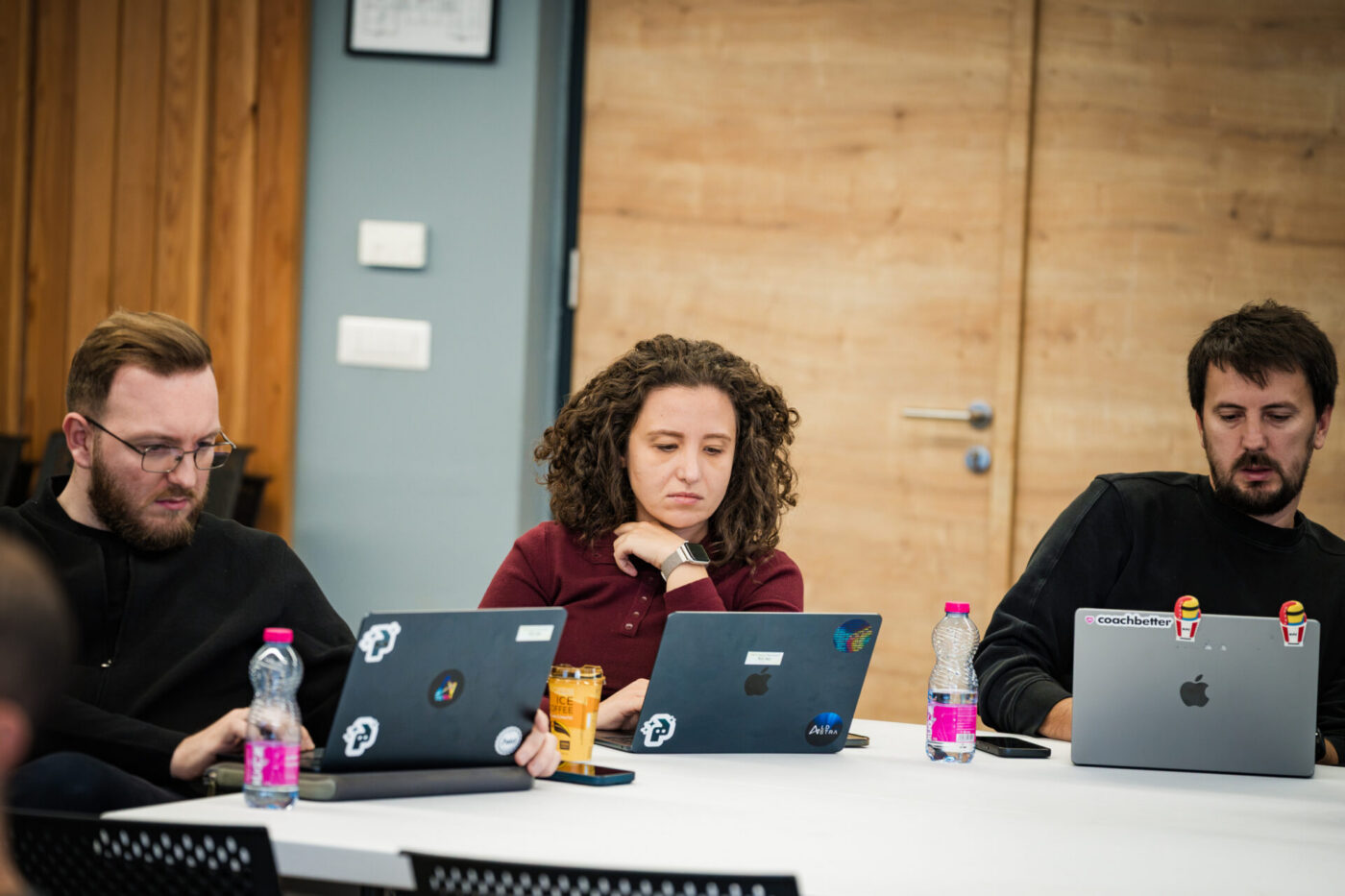
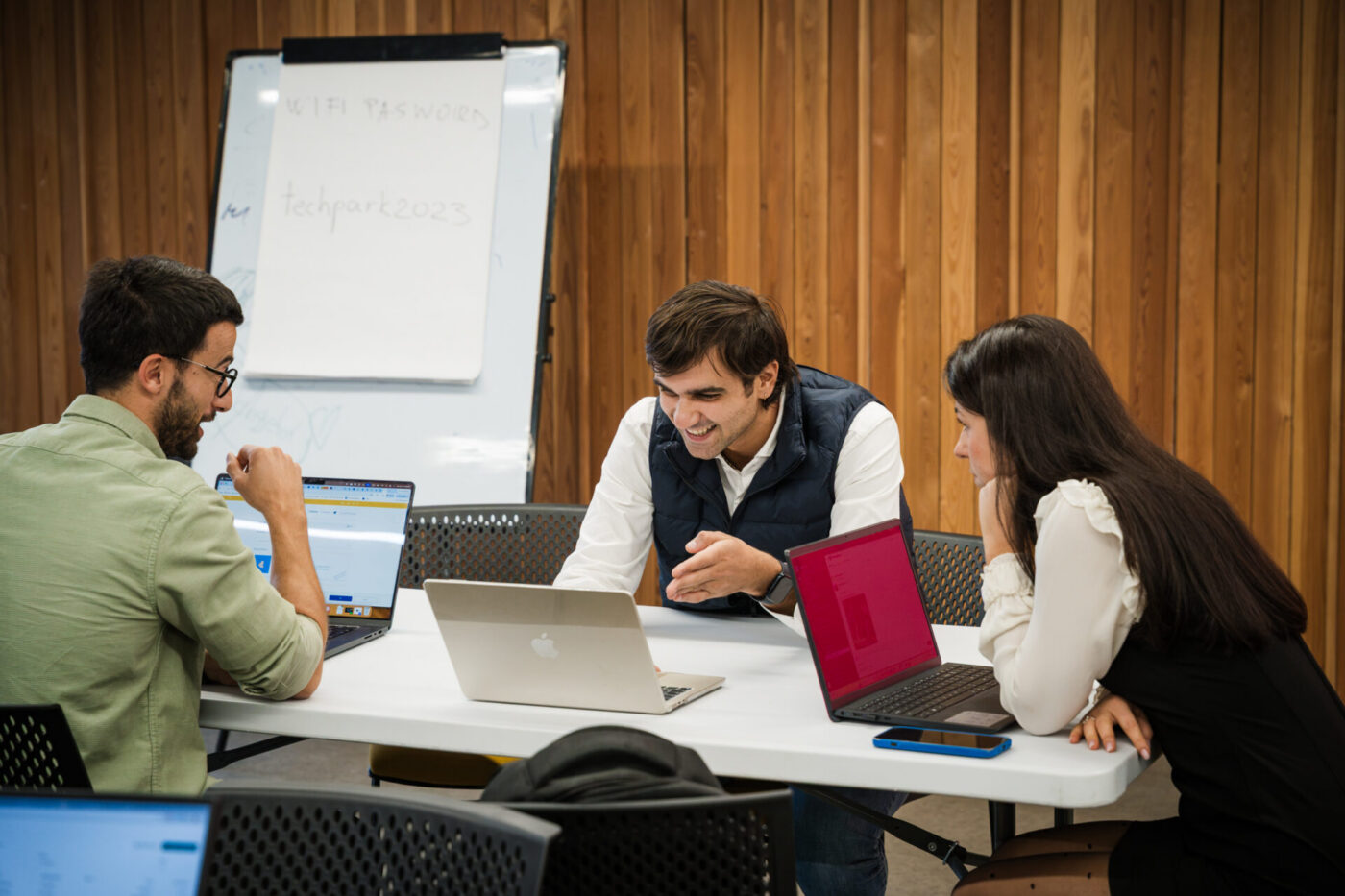
The two days at Tech Park Prishtina were mostly dedicated to work: sales pipelines, financial models, market priorities and company-specific challenges.
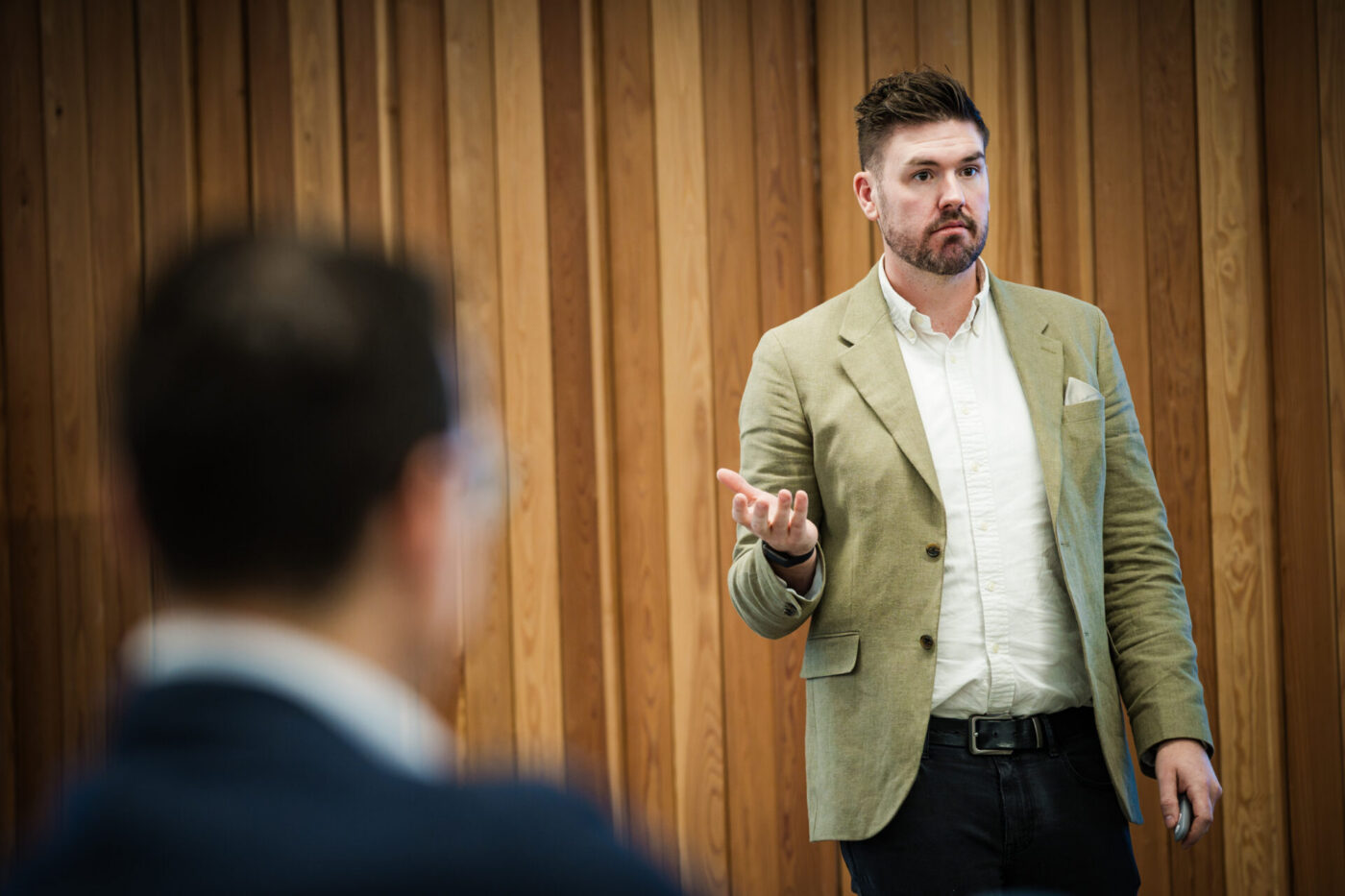
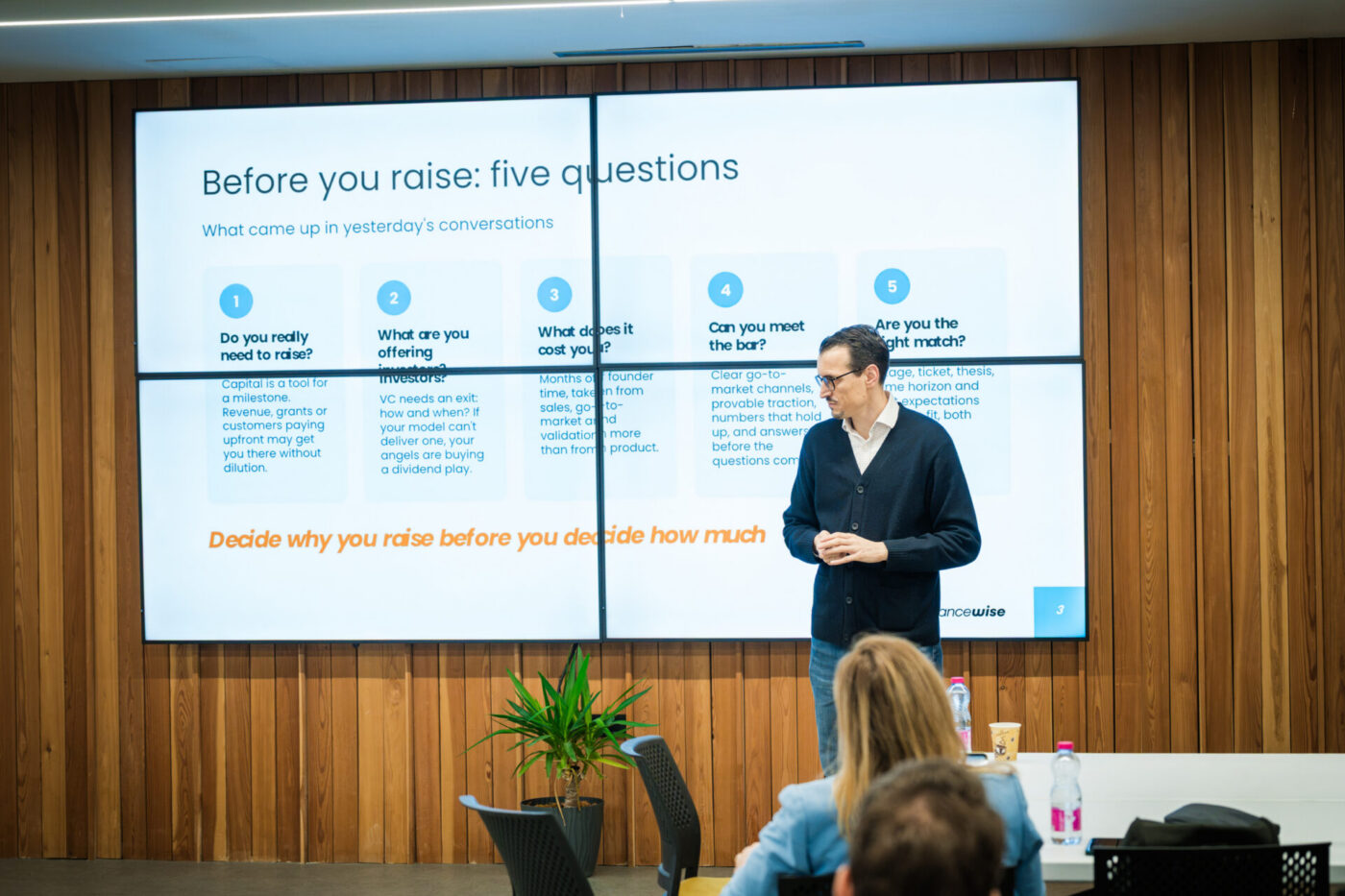
Eoin McGuinness worked with the founders on go-to-market and commercial execution, while Christoph Berndt focused on financial planning, scaling and investor readiness. Both experts were supported by the Swiss Entrepreneurship Program.
Before the onsite, we reviewed the companies with them, including their KPIs, priorities and main bottlenecks. This meant the 1:1 sessions could start from the real issues rather than from another introduction to the startup. For some founders, the challenge was converting prospects into a structured sales pipeline. For others, it was choosing the right market, understanding the economics of expansion or aligning financial projections with the actual sales cycle.
The products in this cohort are generally strong. What many of the startups need now is greater commercial discipline around them: clearer ICPs, better sales processes, stronger financial visibility and the ability to turn technology into a repeatable business
Opening the KPIs again
Every team also went through a mid-term assessment with the Startup Wise Guys team.
At the beginning of the programme, founders defined their own KPIs: customers, product milestones, market validation, fundraising or international expansion.
At midpoint, we compared those targets with reality. Some companies are progressing faster than expected. Others are behind their original goals but have learned enough to realise that the target itself needs to change. Some discovered new opportunities through customer conversations, while others identified bottlenecks they had underestimated.
That is why an accelerator cannot be treated like school. The objective is not to complete an assignment. It is to make better decisions.
One characteristic has become particularly visible across the cohort: coachability. The teams are very different in terms of stage and experience, but the willingness to absorb feedback, challenge assumptions and act on what they learn has been consistently strong.
For early-stage investors, that matters.
From support to ownership
This also connects with a topic that has followed the programme since January: local ownership.
Kosovo and the wider Western Balkans have benefited greatly from international programmes, grants and donor support. These initiatives have helped develop infrastructure, skills, networks and opportunities. But sustainable startup ecosystems also need customers, private capital and founders willing to take risks.
The startups in this programme are increasingly moving in that direction. They are market-oriented, focused on revenue and thinking beyond their home markets.
Founder commitment matters too. During the first half of the programme, one founder who entered while still balancing another professional commitment decided to move full-time into the company. For an investor, that is a strong signal.
International support works best when it amplifies local ownership. That is also why partners such as STIKK and Tech Park Prishtina, Makerspace Innovation Center Prizren and Zephyr Angels remain central to the programme, alongside EBRD and Swiss EP.
The second half starts now
The midpoint brings both satisfaction and pressure: there has already been meaningful progress, but there is much less time left.
The coming weeks will focus on fundraising, legal readiness, international expansion, investor preparation and pitch development before we return to Prishtina for Demo Day. By then, we want better pitches. More importantly, we want stronger companies behind them. More customers. Better pipelines. Clearer financial plans. Stronger teams. Better decisions. And, hopefully, investor conversations that continue beyond the programme itself.
The first half showed how quickly the founders can learn. The second half is about turning that learning into execution.
If you are an investor, corporate or ecosystem player interested in meeting the Western Balkans Accelerator cohort and joining us for the final stage in Prishtina, get in touch.